Case study
Moatt caught 35 product issues before they ever reached a customer
Moatt ran a pre-launch testing task on Pond: 245 people registered, 99 submitted proof-backed tests, and 35 verified reports were rewarded.
Pond AI· 24 July 2026· 6 min read
 Pond AI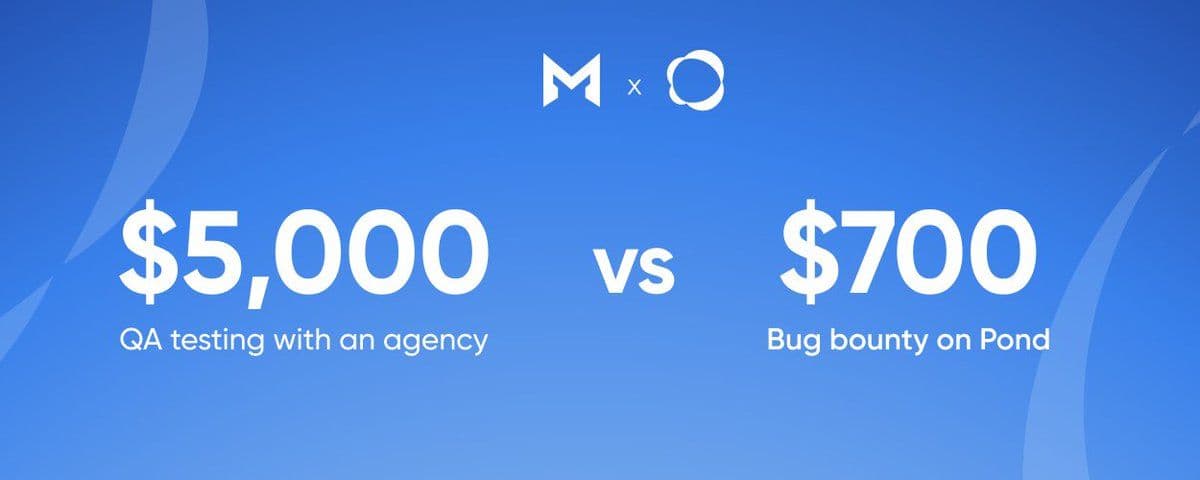
📈 245 people registered in one week. 99 submitted proof-backed product tests, and Moatt paid for the 35 reports that actually passed verification
Moatt Bounty on Pond
Launch day is an EXPENSIVE time to discover a broken onboarding flow
Every visitor may have come from paid acquisition, founder outreach, a partner, or months of audience building. If the product fails during their first session, most users leave without explaining what happened.
Moatt wanted to identify those problems before launch traffic arrived. The company ran a pre-launch testing bounty through Pond
The total payout was $700
It produced 35 verified reports backed by real product usage and screenshots
Product being tested
Moatt provides companies with an AI growth team. Its always-on agents run SEO, search visibility, advertising, and competitor research on a schedule
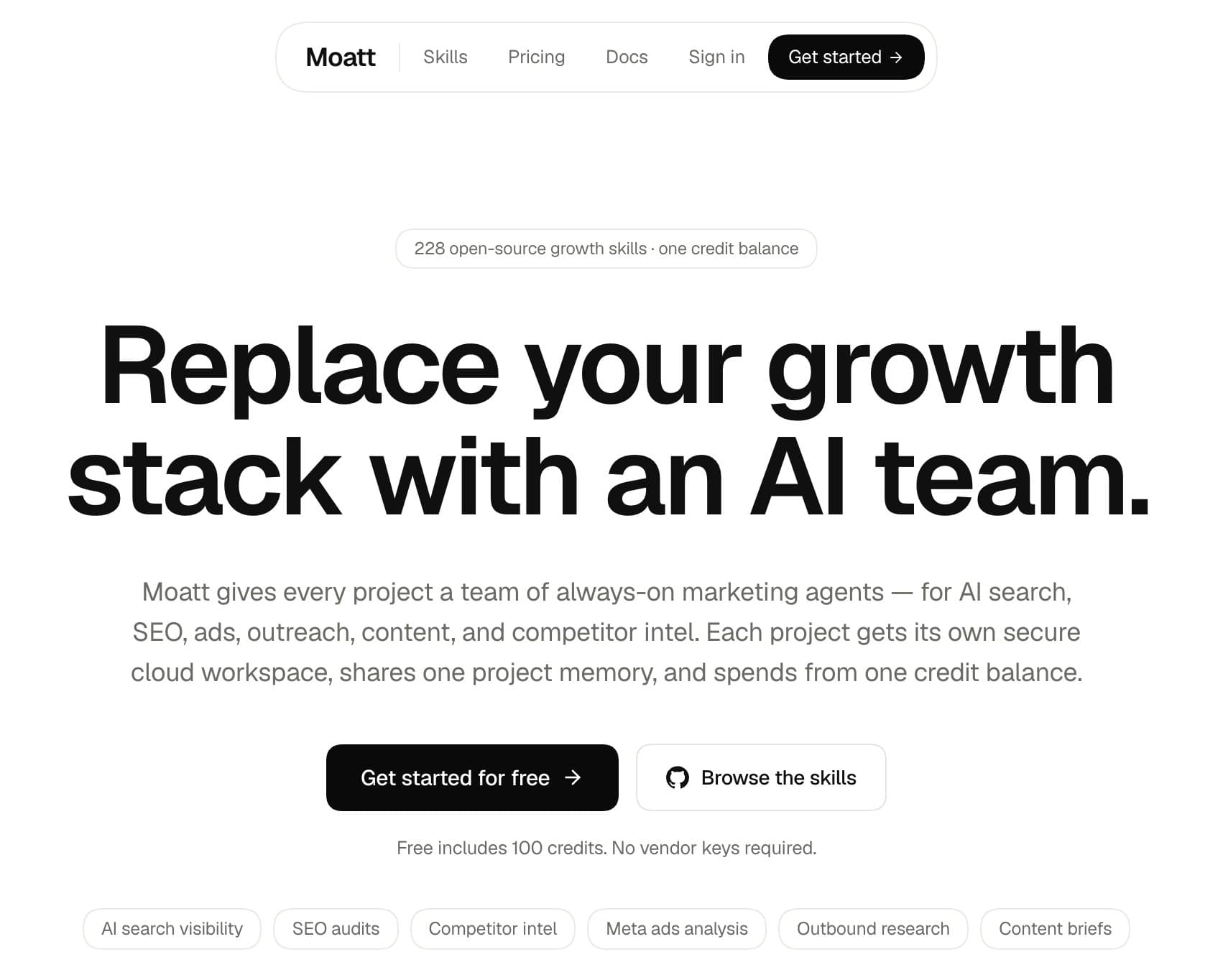
Users need to connect a real company, complete onboarding, and run a growth task before they experience the product's value
That made the first session critical
Confusing instructions, inaccurate outputs, or a failed step could prevent users from reaching the moment that makes the product useful
Moatt used the bounty to test the complete journey before opening it to customers.
Bounty brief
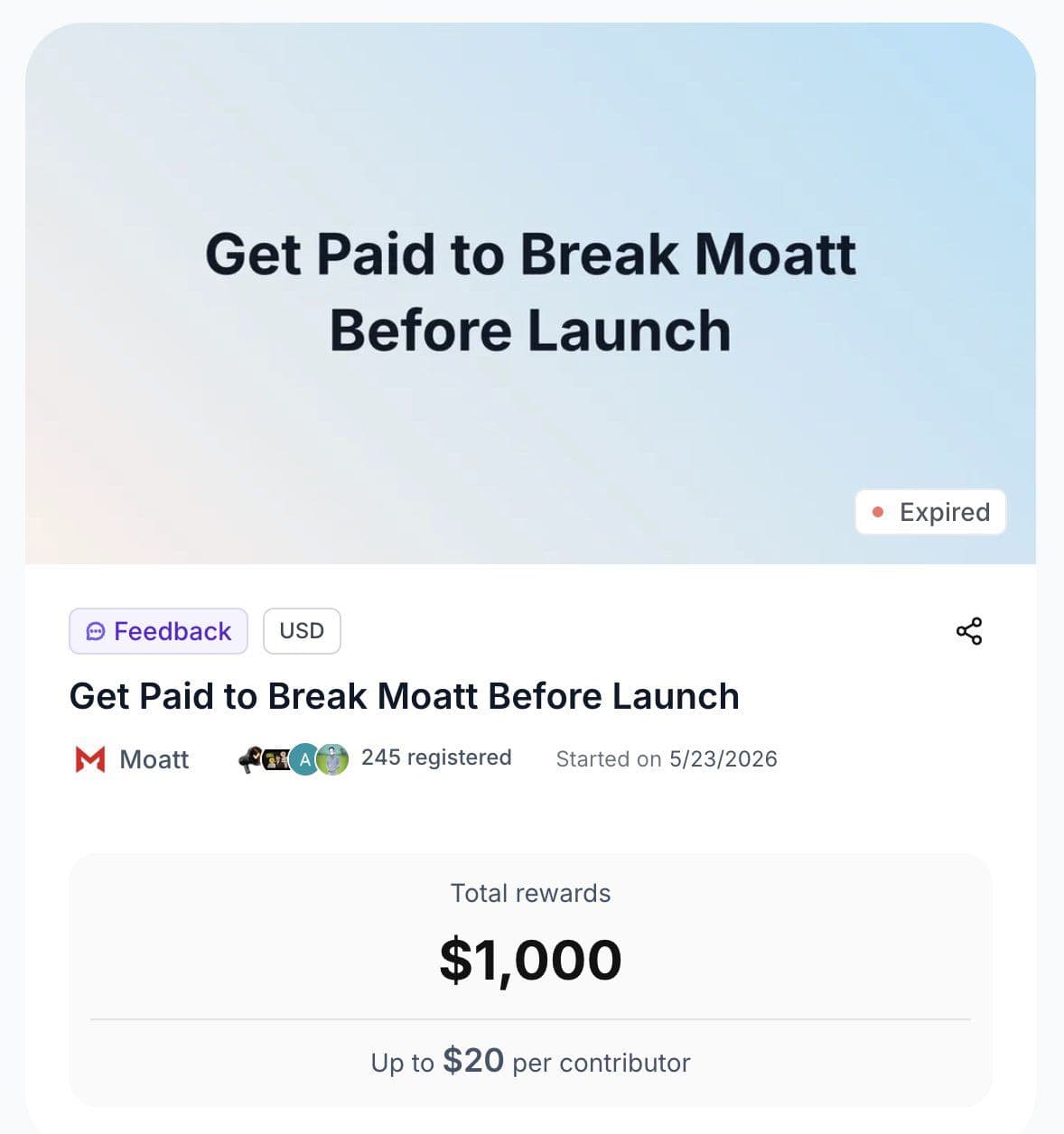
Moatt allocated a $1,000 reward pool across 50 available slots. Each accepted contributor could earn $20
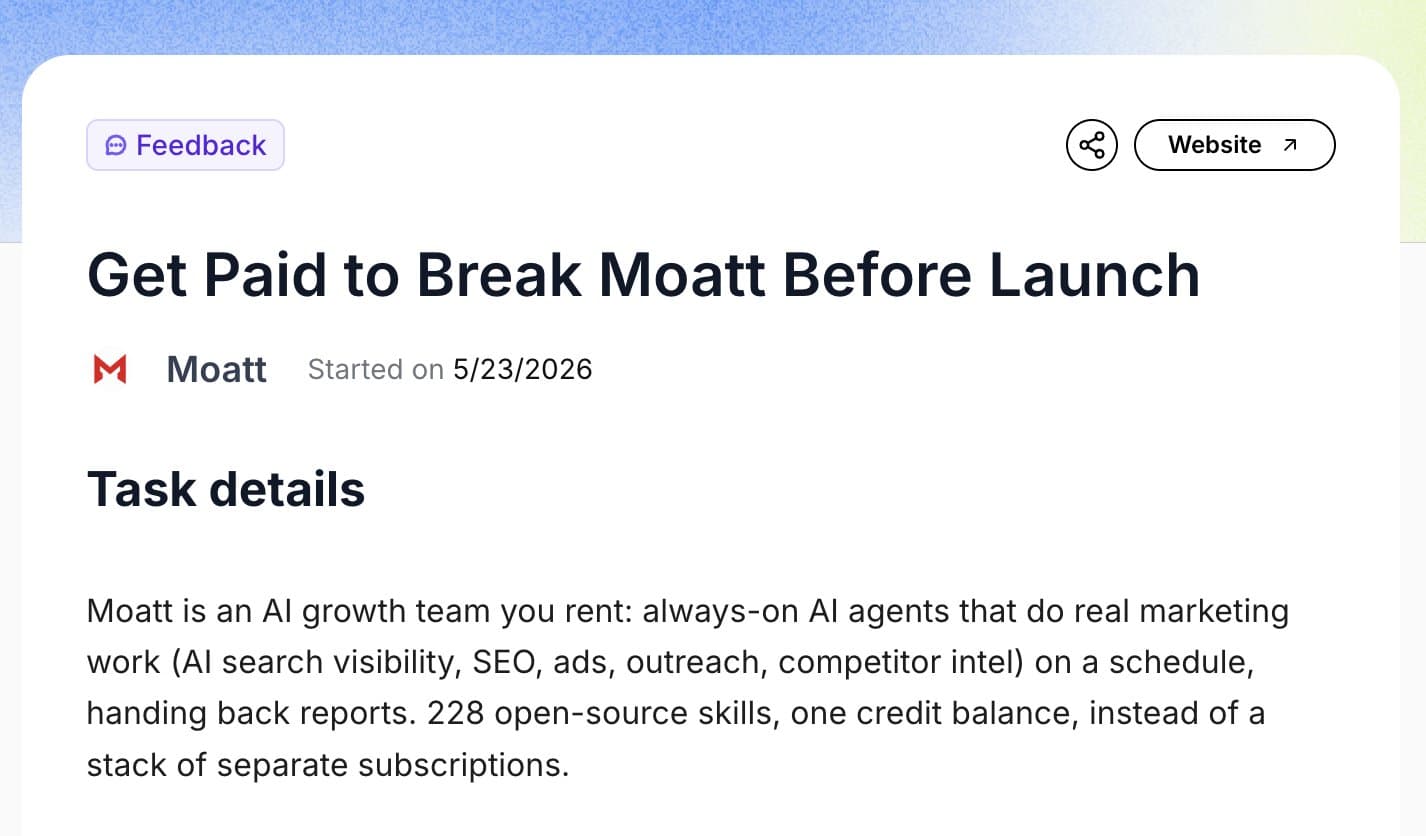
To qualify, contributors had to:
- Register using a real company or domain
- Complete the full onboarding process
- Spend at least 15 minutes running a real growth task
- Capture screenshots of errors, confusion, friction, and unexpected results
- Submit specific written feedback based on their experience
A signup alone did not qualify for payment. Each submission needed evidence from actual product usage
The results after 1 week
The bounty attracted 245 registrations
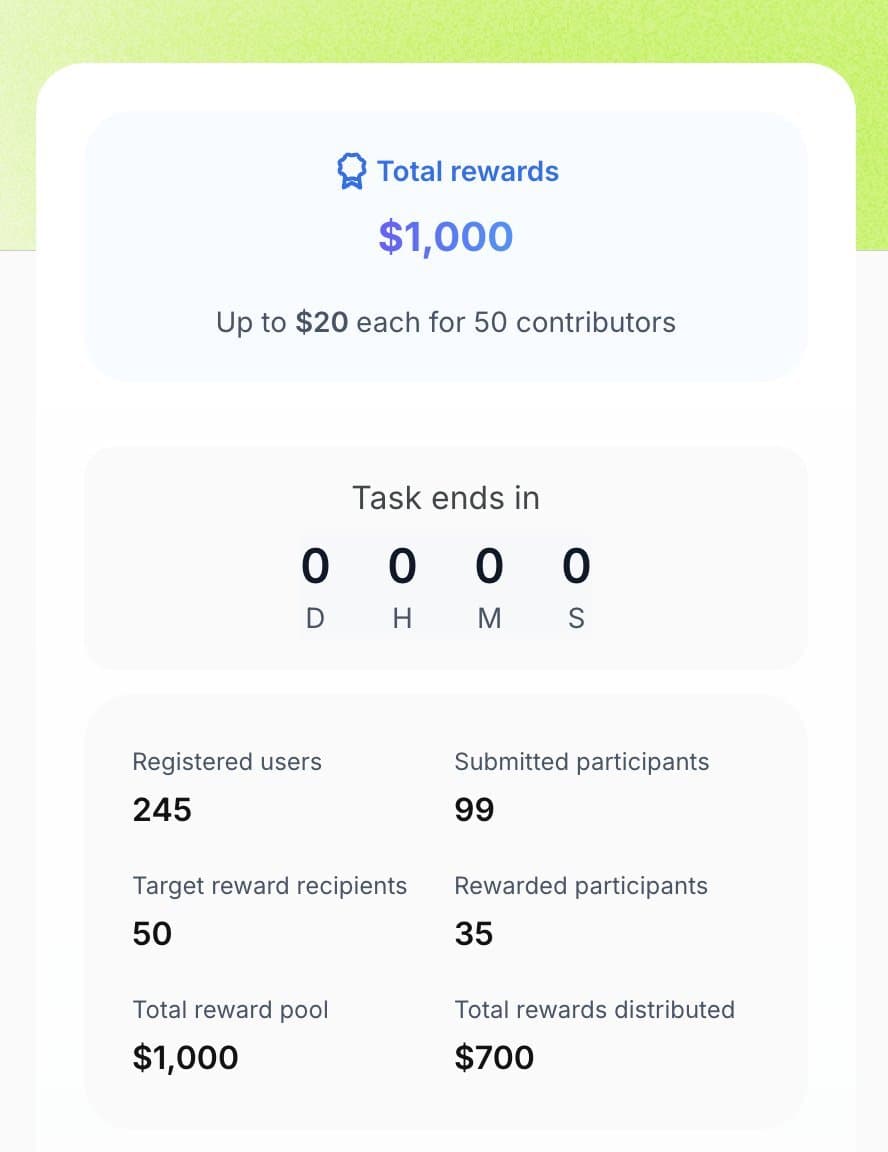
From those registrations:
- 99 people completed the test and submitted proof
- 35 reports passed verification
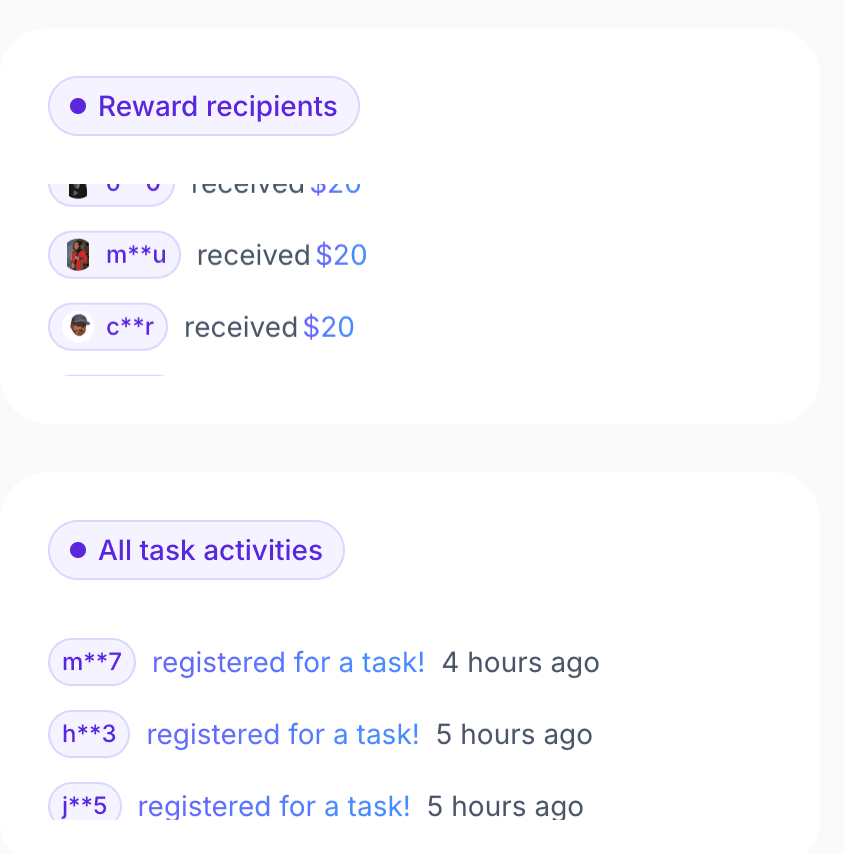
- Each accepted submission received $20
- Moatt distributed $700 in total
The unused portion of the reward pool stayed with Moatt.
The company paid for accepted findings rather than every registration or incomplete attempt.
Why the reports were useful?
General feedback creates more work for a product team
A comment such as 'SEO audit seems inaccurate' gives the team little information to investigate
A useful report identifies the audit that was run, the result that looked wrong, the page involved, and the evidence supporting the claim
The bounty requirements pushed contributors toward that level of detail
Each accepted report gave Moatt:
- Context from a real company or domain
- A completed onboarding journey
- Evidence from a genuine growth task
- Screenshots of the issue
- Written feedback the team could review and reproduce
The team could turn those findings into product and engineering tasks before customers encountered the same problems
Cost comparison
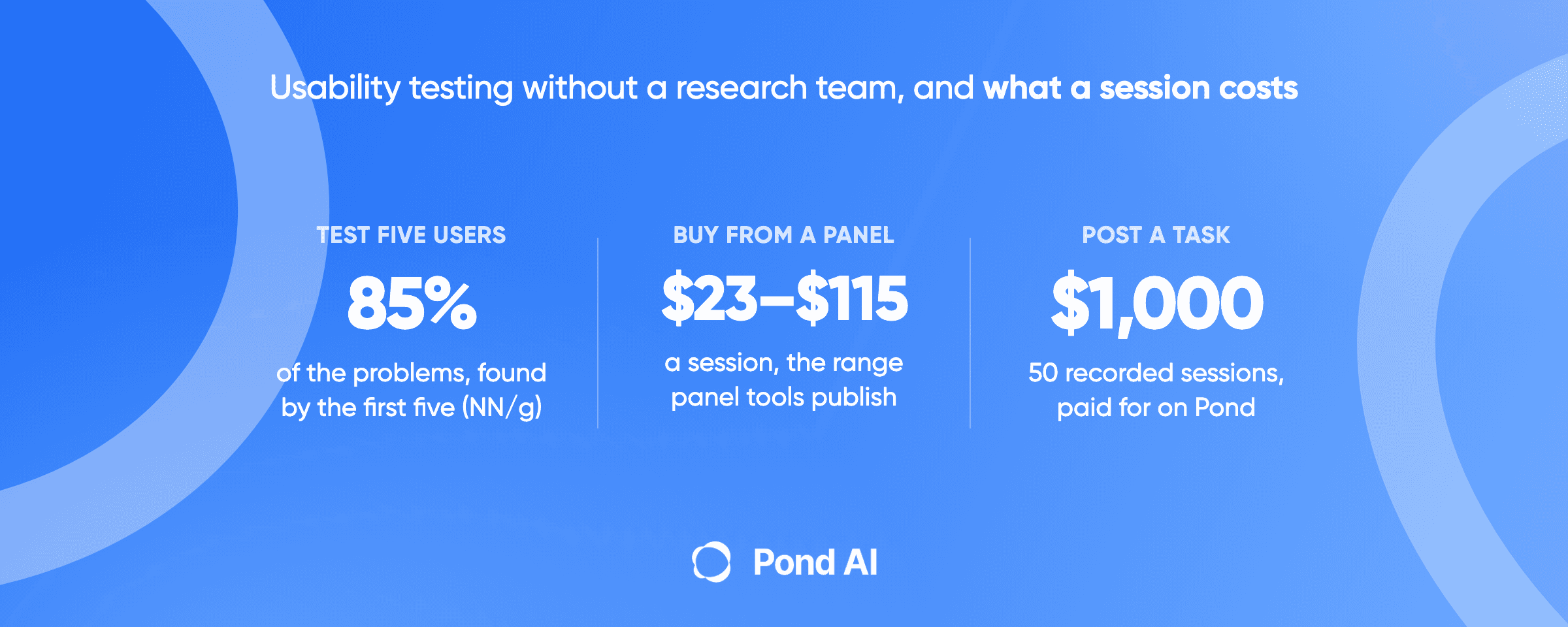
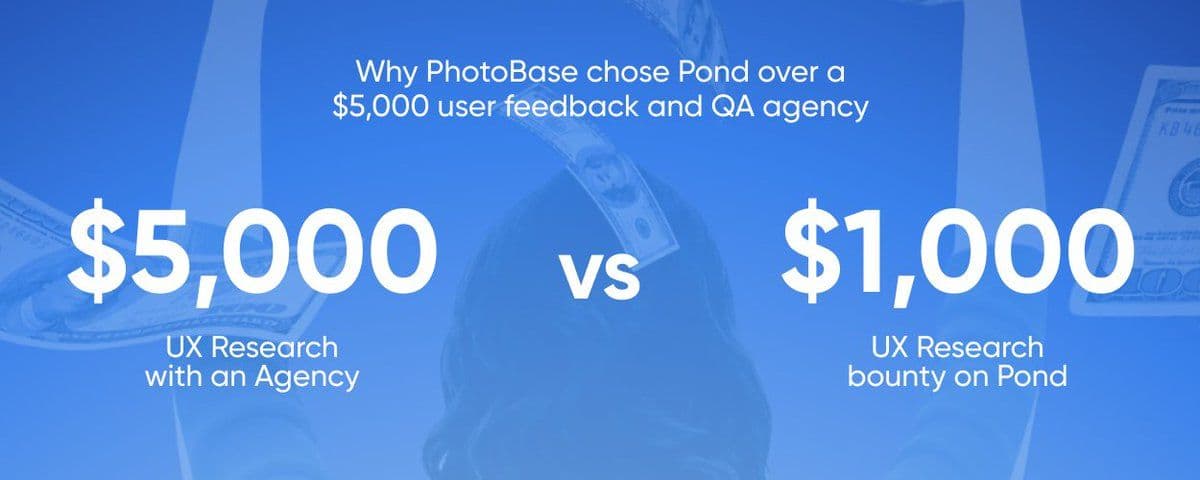
A structured pre-launch QA round through an agency can cost between $3,000 and $5,000. Recruiting testers and coordinating the process can also delay when the first reports arrive. For user testing, we compared seven UserTesting alternatives on what each one publishes.
Moatt's total payout was $700.
That represents:
- $2,300 less than a $3,000 testing round
- $4,300 less than a $5,000 testing round
- $20 paid for each verified submission
- 35 launch issues documented before customer traffic arrived
The remaining budget could stay focused on product development, launch distribution, and customer acquisition.
Pond handled the operational work
Running a testing program usually requires someone to recruit participants, track submissions, review evidence, manage payments, and follow up with contributors.
Pond handled registration, submission tracking, proof verification, and payouts to Pond Wallets.
Moatt defined the task, reward, and evidence requirements. Contributors completed the product workflow and submitted their findings through the bounty.
This allowed the founding team to stay focused on reviewing useful reports and fixing the issues that could affect launch.
Strongest contributors 🏃♂️
Some submissions revealed issues and product insights worth exploring in greater depth
Contributors who surfaced critical problems or unusually sharp feedback could be invited to paid follow-up calls with Moatt's founding team
Those conversations started with useful context
The contributor had already used the product, completed a real task, and documented a specific issue
Bounty helped Moatt find bugs and identify potential research participants at the same time.
Deadline is customer traffic
Once a product launches, every preventable issue becomes more EXPENSIVE
The team may need to fix the product while handling support requests, protecting early customer relationships, and trying to understand weak activation data
Early users also have little reason to document everything that went wrong. Many simply close the tab.
Moatt collected those findings while there was still time to act on them.
One week brought in 245 registrations, 99 proof-backed product tests, and 35 verified reports for $700.
Run this before your own launch
Pond gives founders access to a network of more than 10,000 contributors who can test onboarding flows, websites, mobile apps, AI outputs, product features, and other launch-critical experiences.
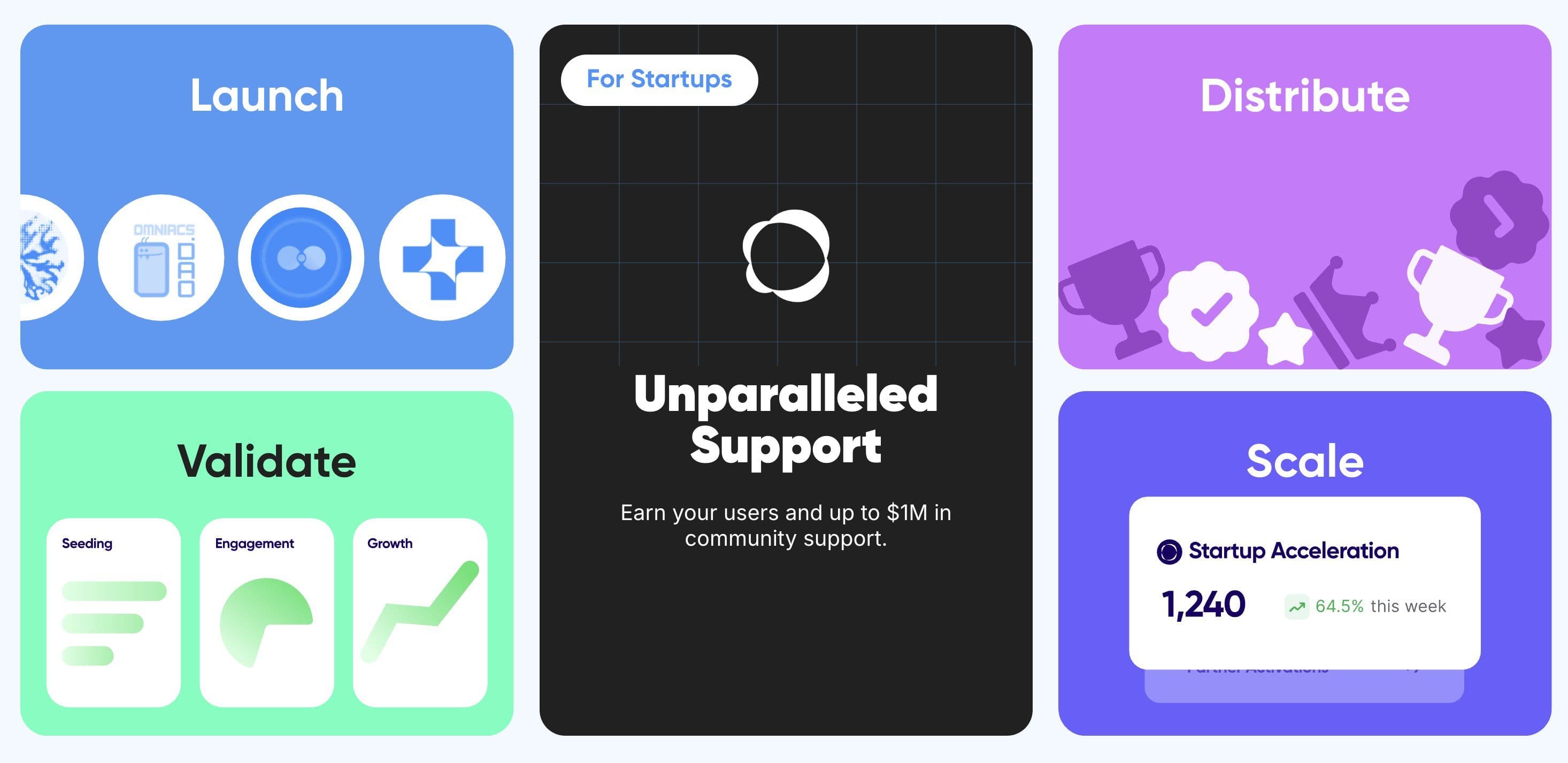
You define:
- Exact workflow contributors must complete
- Evidence required for verification
- Reward for each accepted result
- Number of available submissions
Contributors use the product, submit proof, and receive payment when their work passes verification
If your launch is approaching, run the bounty while your team still has time to fix what contributors find..
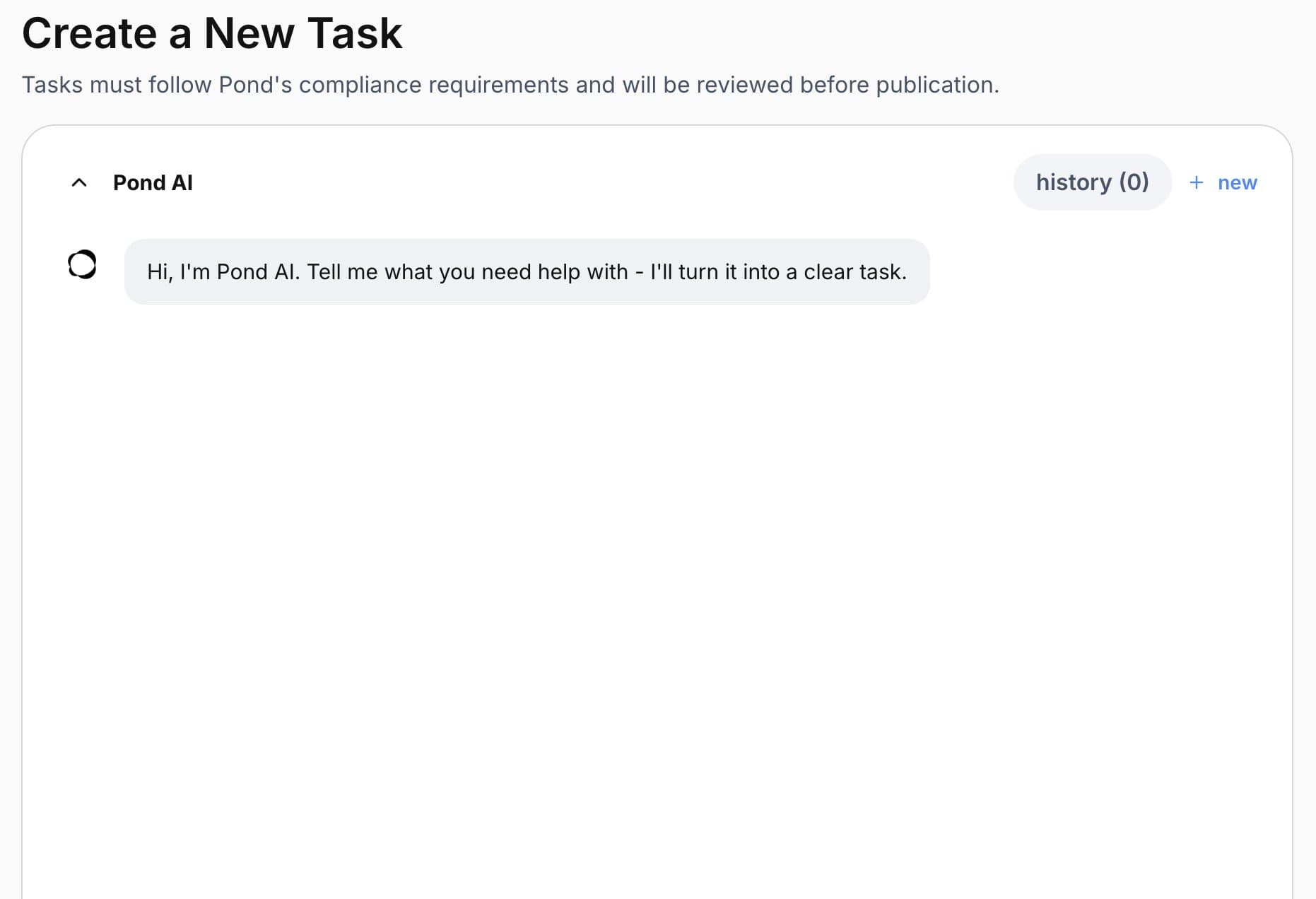
Create your task with Pond AI: joinpond.ai/tasks/create
Read the original Moatt case study on X.
 31.8K
31.8K 22
22